Getting Started With Film Photography
Film photography was left behind in the technological advancement of the 21st century, but that is changing. The process of capturing a moment is becoming a much more intentional and artistically attractive pursuit.
Digital photography is instant and accessible, but film photography takes a little more time. Loading and adjusting the camera is more tedious, but the reward of the experience is having your own moment captured on film that others likely won’t.
With many options available, which film camera is best for you? No matter the stage of your creative journey, photography only becomes more expressive with a film camera. Let’s look at the world of photography where each shot tells a story.
Using Film Cameras Is Beneficial
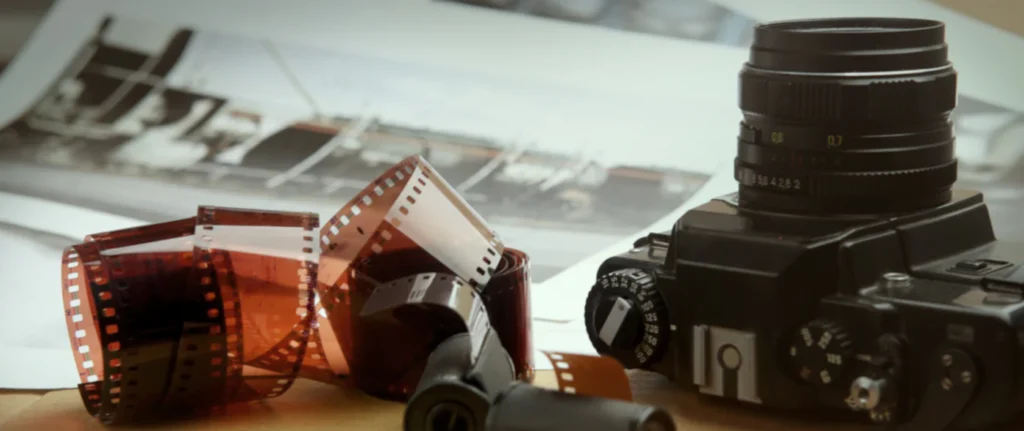
The process photography becomes so much more gratifying when film is involved. The experience becomes more tactile and more personal.
For film photography, each shot is vital. This characteristic of film photography leads to much more stunning results.
There are certain qualities of film that set it above digital. Digital does not capture colors quite like developing film does, and the grain of film adds an artistic element to the photos you snap.
There are many artistic avenues with film, because of the variety that different shoots allow with the different filmstocks. Dark images are possible with different black and white films, and vibrant images may be created with different colored films.
A digital photographer may not understand film photography’s unique patience. The outcome of your work will be hidden until you wait for the developing process to reveal the photographs.
Things to Consider When Purchasing a Film Camera
There a great many things to consider when purchasing a film camera, and each will greatly change your overall experience with photography. Different camera styles cater to different specialty domains of photography. Some cameras may be better used for portrait photography, while some may be better for landscape photography.
There a great many things to consider when purchasing a film camera and each greatly changes your photography. First, consider what it is you hope to photograph. After all, certain cameras are better when it comes to portrait photography as opposed to landscape photography.
There a great many things to consider when purchasing a film camera and each greatly changes your photography. If you own a camera that is great when it comes to capturing detail, but cannot connect to other mediums of photography, you will be limited. The same holds true for other mediums. The most common film camera is great when it comes to versatility, but the medium format film camera when it comes to detail, though it is quite expensive. Sometimes, it is better to own several than one great camera.
There a great many things to consider when purchasing a film camera and each greatly changes your photography. Different cameras are great when it comes to capturing detail, but some cannot connect mediums. The most common film camera is great when it comes to versatility, but the medium format film camera when it comes to detail, though it is quite expensive. Sometimes, it is better to own several than one great camera.
Don’t forget the lens! Different views may be captured with interchangeable lenses.
Price matters. Film cameras are all over the place and you can’t know the range until you set one for yourself.
Top 10 Best Film Cameras
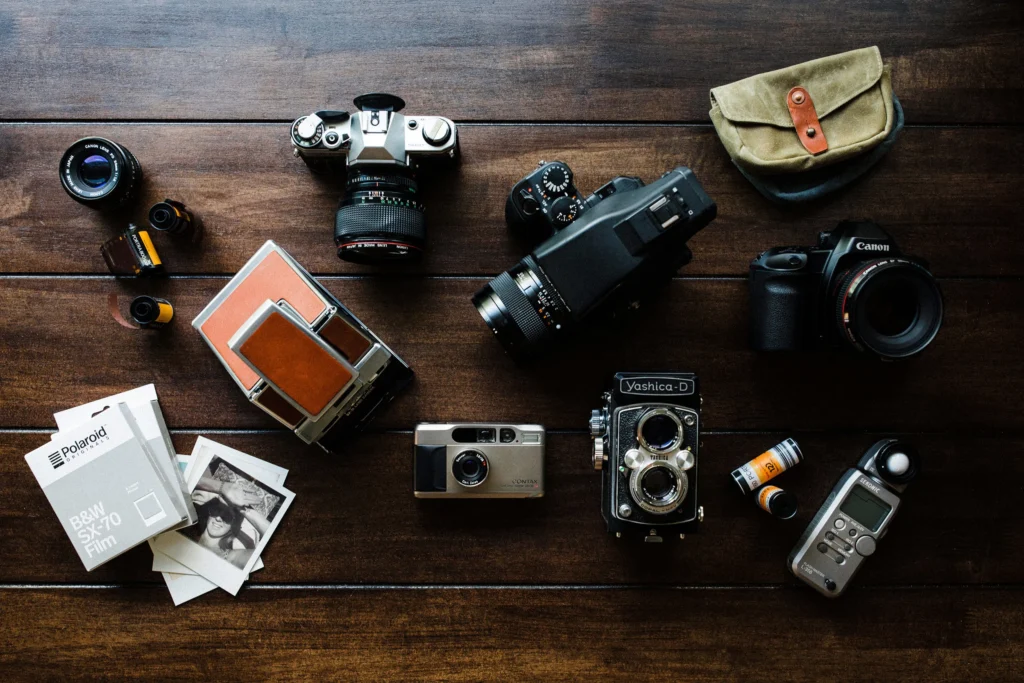
Choosing among the best film camera models is no easy task. Every camera carries its own unique design and quality.
- A camera nearly every film enthusiast favors is the Canon AE-1 Program. It is simple enough for an absolute beginner but provides enough control for a beginner skilled photographer.
- The Nikon FM2 is a camera of precision and fortitude. It has the advanced manual features that hand’s on photographers fond.
- The Olympus OM-1 is a wonderful travel camera with both lightweight design and image quality.
- The Pentax K1000 is a simple, classic, and more importantly, a reliable camera. Often first recommended to those first taking the plunge into film shooting.
- The Leica M6 is a premium rangefinder camera known for its precision and exceptional image quality.
- The Nikon F6 is a professional-grade film camera offering advanced autofocus and metering systems.
- The Canon EOS-1V is a high-performance SLR camera favored by professionals for its speed and durability.
- The Contax T2 is a compact point-and-shoot camera with excellent lens quality and portability.
- The Mamiya RB67 is a medium format camera renowned for its incredible detail and studio photography capabilities.
- The Hasselblad 500C/M is an iconic medium format camera celebrated for its modular design and outstanding image quality.
All these models will make wonderful cameras, especially for the sake of film.
Feature and Pricing Comparison
A film camera’s features and price are at the center of any analysis of the best cameras. Models vary in price and need addressed.
The Canon AE-1 is simple and affordable beginner cameras. Quite the contrary, Nikon F6’s and Leica M6’s are more expensive while promising higher shooting precision and quality.
lens compatibility is important. Many cameras offer great versatility due to lens compatibility. In other cases, a limited lens variety may be the only option but expose higher quality.
Prices fluctuate based on brand and model. Basic options start around $200 and professional-level options for $5,000 or more. It’s important to know your own needs to make the right decision without going over budget.
What you value the most (easy to use, high tech) will help direct your focus to which type of film photography equipment you should purchase.
Ways to Get the Most Out of Your Film Camera
After you purchase your film camera the first thing you should do is learn the settings of the camera (and the camera itself). Learning about the exposure triangle is very helpful. The exposure triangle is made of 3 things: aperture and shutter speed and ISO. These all help you achieve the vision you have in your mind as you go to capture the moment.
Be willing to try lots of combinations of different setups (film, scenery, and supplies). For quick pictures use color film, and for more artistic style and scenes use black and white film. Lighting is also important and should be observed. Many photos look great in natural light as it’s more appealing to work in, but knowing other ways to work in low light is helpful as well.
Proper storage of film and the other supplies should also be considered. Make sure it’s stored in a safe and low light, cool, place. It tends to look more use full after looking in a proper storage case.
Conclusion
Choosing a film camera is a great way to start a fun and fulfilling hobby. Film photography has something for everyone. Whatever your style is, choosing the right film camera is a great way to utilize your creativity.
The top ten film cameras mentioned here cater to most budgets and skill levels. If you want a simple compact camera or want to go all the way with a professional reflex camera, you will find options here.
As you start to practice with film, you will want to look beyond just the technical aspects. Aim to capture the spirits of the people and moments in a very different way that digitized images fail to. Each moment you capture will elicit a reflection of the photographer you are or are becoming.
The right tools and technical savvy will go a long way in helping you create art that will always stand the test of time. Celebrate the beauty of the finiteness of film, you will in the right moments create a masterpiece.